
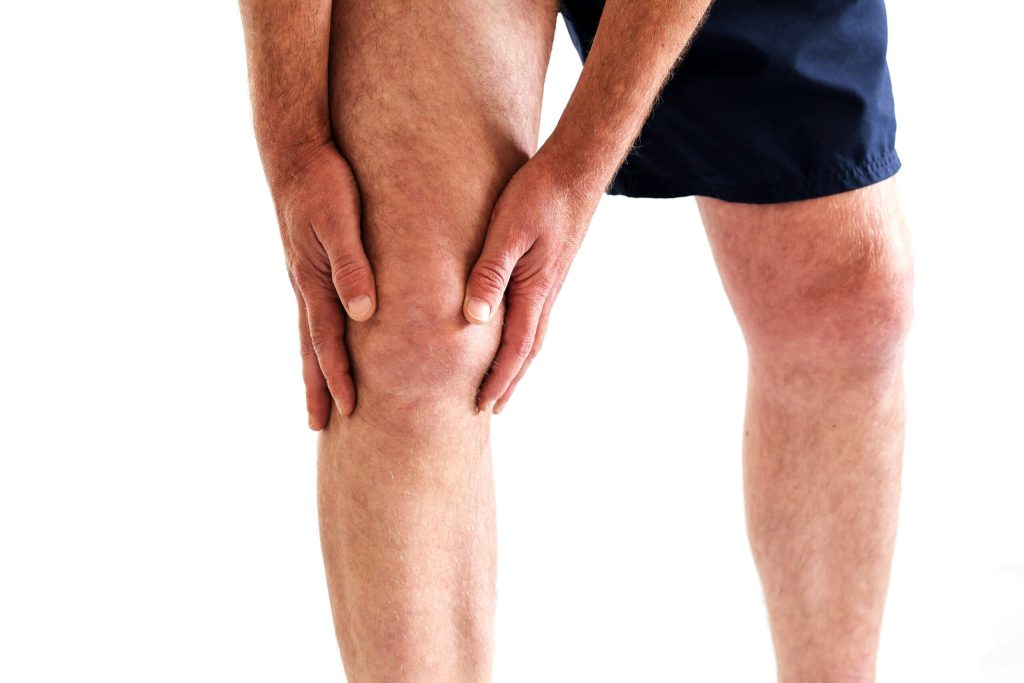
For people with active lifestyles, injuries that affect your joints and muscles are just part of normal life. Fortunately, whether it’s a sprained ankle, a pulled muscle, or an overworked joint, most injuries heal on their own with a bit of care. Techniques like rest, ice, compression, and elevation—commonly referred to as the RICE method—are staples of at-home injury care.
But what happens when swelling or pain doesn’t go away, despite your efforts? At what point should you start thinking about professional help?
What causes swelling?
Swelling is your body’s natural—and surprisingly sophisticated—response to injury. When you get hurt, your body sends fluid to the affected area. This serves several purposes, including protecting the tissues, increasing blood flow, and kick-starting the healing process.
There are two reasons that swelling occurs after an injury:
- Inflammation: Increasing blood flow, which is the primary purpose of inflammation, is a vital part of your body’s response to tissue damage. Think of it as your body’s way of bringing repair tools to the injury site.
- Fluid accumulation (edema): This occurs when blood or other fluids pool in the damaged area. It might seem uncomfortable, but it’s usually your body’s attempt to cushion the site and reduce further harm.
In both cases, swelling is your body’s way of saying, “I’m working hard to fix this!”
Is swelling bad?
Swelling itself isn’t inherently harmful—it’s part of your body’s natural healing process and is a sign that your immune system is responding to a change. That said, too much swelling or long-lasting inflammation can be a problem.
Swelling can sometimes cause unwanted side effects, such as:
- Excessive pain or stiffness: Swelling can make it harder to move or perform physical tasks. For athletes, this can seriously affect performance.
- Delayed recovery: Prolonged swelling may indicate your body isn’t healing properly or that additional treatment is required.
- Tissue damage: Left unchecked, excessive swelling can hinder normal blood flow, leading to further complications.
While swelling is often nothing to worry about, it’s important to monitor it. If you’re noticing significant discomfort or swelling that doesn’t subside with efforts like the RICE method, it might be time to consult a professional.
How long does it take for swelling to go down?
The big question most patients ask is, “How long does swelling last?” Unfortunately, the answer is complicated, since it depends on several factors, including the severity of the injury, the body part affected, and your overall recovery plan.
Here’s a general timeline to keep in mind:
- Mild injuries: Soreness, minor bruises, or overuse injuries often result in swelling that subsides within a few days up to a week when treated properly.
- Moderate injuries: Swelling from muscle tears or sprains may last 1–2 weeks, but usually show steady improvement with the right care.
- Severe injuries: For injuries like fractures, significant ligament damage, or after surgery, swelling can persist for several weeks. These injuries often require additional treatment beyond home remedies.
Regardless of where you fall on this spectrum of what’s expected, the RICE method can work wonders in managing swelling and speeding up the recovery process. Incorporating anti-inflammatory foods or medications (as recommended by your doctor) may also help reduce symptoms.
Am I healed after swelling goes away?
Swelling is often a good indicator that your body is healing, but it’s not the only thing to consider. After swelling subsides, many people assume they’re back to 100%—but that’s not always the case.
Symptoms beyond swelling
While the end of swelling often means reduced pain and stiffness, it doesn’t always guarantee complete recovery. You may still need time for tissues, ligaments, or muscles to regain full strength.
Listening to your body is key when recovering from any injury. Monitoring how pain and movement feel after swelling subsides is just as important as managing the initial injury.
Risks of improper healing
If an injury isn’t given the time or care it needs to heal fully, it can lead to the development of scar tissue throughout the area. This is particularly problematic for athletes as scar tissue can limit mobility and increase the risk of re-injury.
Treatments to aid recovery
For some, improper healing may benefit from interventions like instrument-assisted soft tissue mobilization (IASTM). This technique helps break up scar tissue and improve range of motion, especially for performance-minded individuals.
Other techniques can help with a wide range of injuries, from joint mobilization to electrical stimulation. These methods aren’t necessary for everyone, but may be helpful in getting you the final improvement you’ve been waiting for if you notice a difference in how you’re able to move or perform after an injury.
Effective, long-term healing through physical therapy
While primary care providers can help diagnose injuries and provide general advice, physical therapy takes a more focused, hands-on approach to recovery. It may also be easier to make an appointment with a physical therapist (At Whatcom, we’re proud to offer same-day or next day appointments when possible).
Here’s why physical therapy can be invaluable to people recovering from injuries and managing symptoms like swelling:
- Tailored recovery plans: A physical therapist crafts a custom recovery plan based on your injury and individual needs, rather than a one-size-fits-all protocol for recovery.
- Preventing future injuries: Therapists can help identify weak spots or imbalances in your musculoskeletal system that may make you more prone to injury. Strengthening these areas can protect your body in the long run.
- Holistic healing: Beyond addressing the injury itself, physical therapists often work on improving whole-body range of motion, flexibility, and strength—a course of action that can improve many people’s daily lives both now and in the future.
Give your body the recovery it deserves
Understanding how long swelling should last—and knowing when to seek help—can make all the difference in your recovery in both the short and long term. While many injuries heal on their own, lingering swelling, pain, or stiffness shouldn’t be ignored.
If you’re recovering from an injury and are looking for what’s normal and not normal with internet research, it may be nice to talk to an expert in either a virtual or in-person appointment for truly personalized advice. Learn more about what you should expect from your injury recovery by calling a Whatcom clinic near you or by requesting a free screening online today.