
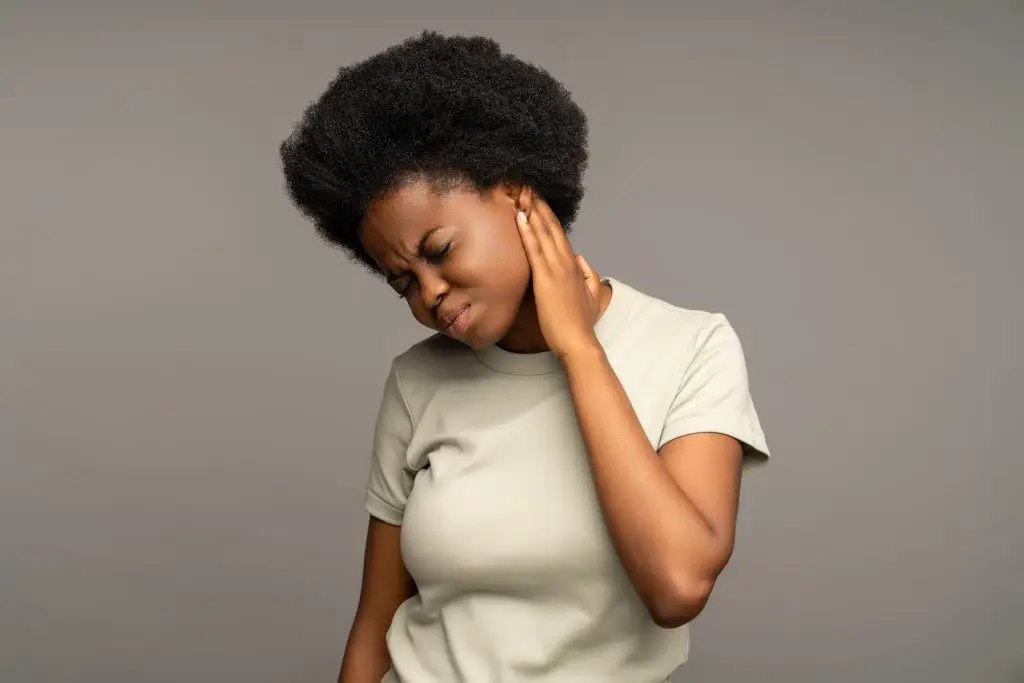
Dealing with one pain or another day in and day out can be isolating and exhausting, especially when the symptoms seem to overlap and feed into one another. If you’ve been having jaw issues on a regular basis, you might have noticed an increase in headaches or even neck pain as well. Jaw pain can “travel,” leading to aches at the base of your skull or a pounding sensation behind your eyes.
This connection between your jaw, neck, and head pain is something that many people experience. The actual pain is just a part of it, too. Chronic pain affects your mood and emotions, as well as your ability to enjoy or accomplish everyday tasks.
The good news is that understanding the root of this pain is the first step toward finding lasting relief. Often, the hidden culprit behind these recurring headaches is an issue with your jaw joint, and physical therapy can help treat this underlying cause.
What is TMJ?
To understand how your jaw might cause a headache, it helps to know a little bit about how the jaw works. TMJ stands for the temporomandibular joint, which is the hinge that connects your jawbone to your skull. You have one on each side of your face, right in front of your ears. Every time you talk, chew, or yawn, you are using these joints.
When something goes wrong with this joint or the muscles surrounding it, it is known as a TMJ disorder, or TMD. Although many people often just refer to the condition as “TMJ.”
A TMJ disorder typically brings obvious signs of trouble, like jaw pain, toothaches, or a clicking sound when you open your mouth. However, TMJ disorders can also cause secondary symptoms that might seem completely unrelated to your mouth. Because the muscles in your face, neck, and head are all interconnected, tension in the jaw hinge can easily send distress signals throughout your entire upper body.
Symptoms of TMJ disorders
The secondary symptoms of a TMJ disorder are often what drive people to seek medical help. Headaches are one of the most frequent complaints of untreated TMJ pain. These headaches often present as tension headaches or as a persistent ache near the temples.
When one or both temporomandibular joints is inflamed or misaligned, the surrounding muscles have to work extra hard to stabilize your jaw while avoiding painful movements or tension. This compensation pattern quickly spreads from your jaw down into your neck or throughout the head. Tight neck muscles can cause headaches in their own right, called cervicogenic headaches.
The feedback loop of tension is complete when even a small amount of pain in these areas (jaw, neck, head) causes you to clench your jaw, hunch your shoulders, or tense your neck to avoid moving it into uncomfortable positions. This tension tends to make the pain worse, which in turn leads to more tension.
Breaking this painful feedback loop requires addressing the underlying cause at its source.
What causes TMJ pain?
There’s no singular cause for TMJ disorders, since they develop for different reasons in different individuals. For some people, it is the result of a jaw injury. For others, it is strictly tied to long-term habits like teeth grinding (bruxism) during sleep or persistent jaw clenching during your normal routine.
Poor posture can also play a surprising role. For example, slouching at a desk all day can alter the alignment of your spine and neck, which forces your lower jaw to protrude forward and strains the TMJ.
A physical therapist can identify postural, behavioral, and injury causes of pain through a simple evaluation and start to teach you better habits in the short and long term to help you heal without the need for medication.
Holistic headache treatment through physical therapy
Treating a TMJ-related headache means looking at the whole picture. Instead of just masking the head pain with medication, physical therapy offers a holistic approach to address the root cause of your discomfort.
Physical therapy for TMJ pain often focuses on helping you gently stretch and strengthen the muscles around your jaw, neck, and shoulders. Through targeted exercises, manual therapy, and posture correction, you can relieve the tension emanating from your temporomandibular joint.
You do not have to live with the exhausting cycle of jaw pain and headaches. If you are ready to find true relief and regain your quality of life, we are here to help. Call or request an appointment online at an Accelerated PT clinic near you today to schedule an evaluation and start your journey toward a pain-free life.